
Mechanics on the Move: The Rising Demand for On-Site Automotive Solutions
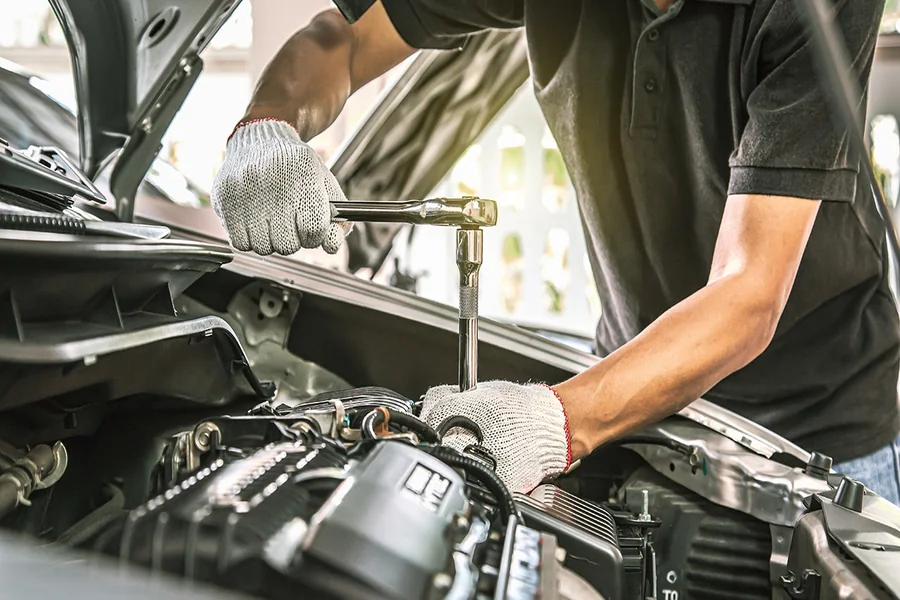
The automotive industry is currently experiencing a quiet but profound transformation that favors the consumer’s schedule over the technician’s shop hours. For decades, the ritual of vehicle maintenance involved a logistical headache: arranging a ride back from the garage, navigating the sterile environment of a waiting room, or paying for a costly tow when a vehicle refused to budge. Today, the “service-to-you” economy, a model already perfected by grocery delivery and home-cleaning apps, has finally reached the driveway. This shift isn’t just about convenience; it’s a fundamental reimagining of how we value our time and how we manage the life cycle of our vehicles. Whether a homeowner is clearing out space by disposing of a high-mileage truck to make room for something new or a traveler is seeking a quick fix for a leaking roof, the expectation is now that the expert should come to the machine, not the other way around.
The Death of the Waiting Room
The psychological barrier of “going to the shop” has long been a primary reason why many vehicle owners defer essential maintenance. When the service is mobile, that barrier vanishes, replaced by a seamless integration of professional care into the flow of daily life. Modern consumers are increasingly unwilling to sacrifice half a Saturday to sit in a plastic chair while a television blares in the corner of a service center. By shifting the venue to the customer’s home or workplace, mobile providers have turned a chore into a background task that requires almost zero interruption to a person’s productivity.
This evolution is particularly evident in the world of specialized vehicles, where the logistics of transport are even more daunting. Consider the individual living the nomadic dream in a motorhome or a converted van; for these owners, the vehicle isn’t just a mode of transport, but a primary residence. Moving that “home” to a repair bay involves breaking down a campsite, securing every loose item, and potentially finding a hotel for the night while repairs are made. To address this, more travelers are relying on the expertise of on-location rv technicians in Delaware and other regions to handle complex mechanical issues right where they are parked. This allows the owner to maintain their lifestyle and their safety without the traumatic disruption of an unnecessary tow or a multi-day shop stay.
The Technical Sophistication of the Rolling Workshop
The rise of mobile services has been supported by a massive leap in portable diagnostic technology and tool organization. A modern mobile service unit is no longer just a van with a few wrenches; it is a highly optimized, compact laboratory capable of performing complex electronic and mechanical tasks.
While some might worry that a mobile setup lacks the “heavy lifting” power of a traditional garage, the reality is that a significant majority of common failures and maintenance needs can be addressed with the right portable equipment. From digital scan tools that interface with a vehicle’s onboard computer to specialized moisture meters used to detect early signs of structural rot in campers, the mobile tech is often better equipped for specific on-site challenges than a generalist mechanic in a fixed bay. This level of specialization ensures that the work is not just convenient but also remarkably precise, as the technician can observe the vehicle in the environment where it actually operates.
Beyond the Quick Fix: Comprehensive On-Site Care
Many people mistakenly believe that mobile services are only for emergency jump-starts or tire changes, but the scope of work available today is surprisingly deep. Modern mobile technicians are often certified specialists who can handle intricate plumbing systems, complex electrical grids, and even climate control repairs on the fly.
- Climate Control and HVAC: Mobile units now carry the specialized refrigerants and pressurized tools necessary to recharge cooling systems or fix heating elements on-site.
- Electrical Grid Management: With the rise of solar power and lithium battery banks in travel vehicles, mobile experts are frequently called upon to troubleshoot sophisticated power management systems.
- Structural Preservation: Applying protective coatings and sealants to roofs and seams is a task that actually benefits from being done on location, where the vehicle is level, and the technician has the space to work thoroughly.
The Economic Logic of Time-Equity
When we analyze the growth of on-site automotive solutions, we have to look at the financial trade-offs that make this model so attractive to the average person. Time is the only non-renewable resource we have, and the “time-equity” gained by using a mobile service often far outweighs the slight premium one might pay for the service call fee.
If an owner spends two hours driving to a shop, waiting for a diagnosis, and driving back, they have lost a significant portion of their earning potential or personal rest. In contrast, a mobile technician allows the owner to continue working, spending time with family, or enjoying their vacation while the work is performed outside. Furthermore, the “acquisition” side of the market has followed suit; the most successful vehicle buyers are those who offer to come to the seller, provide an instant valuation, and tow the vehicle away for free. This removes the “hidden costs” of selling, such as listing fees, meeting strangers for test drives, and the risk of a vehicle breaking down further while it sits on the market.
A Forecast of the Hybrid Service Model
Looking ahead, it is likely that the automotive industry will split into a two-tiered system where fixed locations and mobile units work in tandem. Large-scale collision repair and engine overhauls will likely remain in high-tech centralized hubs, while everything else moves to the street.
This hybrid model creates a more resilient infrastructure for vehicle owners. If a mobile technician discovers a problem that is too large to handle on a driveway, they can act as a coordinator, helping the owner schedule a “handoff” to a specialized facility. This prevents the owner from being caught in a cycle of trial and error, ensuring they only go to a physical shop when it is necessary. By streamlining the “first touch” of vehicle service, the industry is becoming more transparent, more efficient, and ultimately more respectful of the people it serves. The future of maintenance isn’t found in a building; it’s found in the van pulling into the driveway.